No items found.
blog
How OEE Tracking Software Improves Press Uptime and Scrap Reduction in Metal Forming & Fabrication
By: Guidewheel
Updated:
December 19, 2025
10 min read
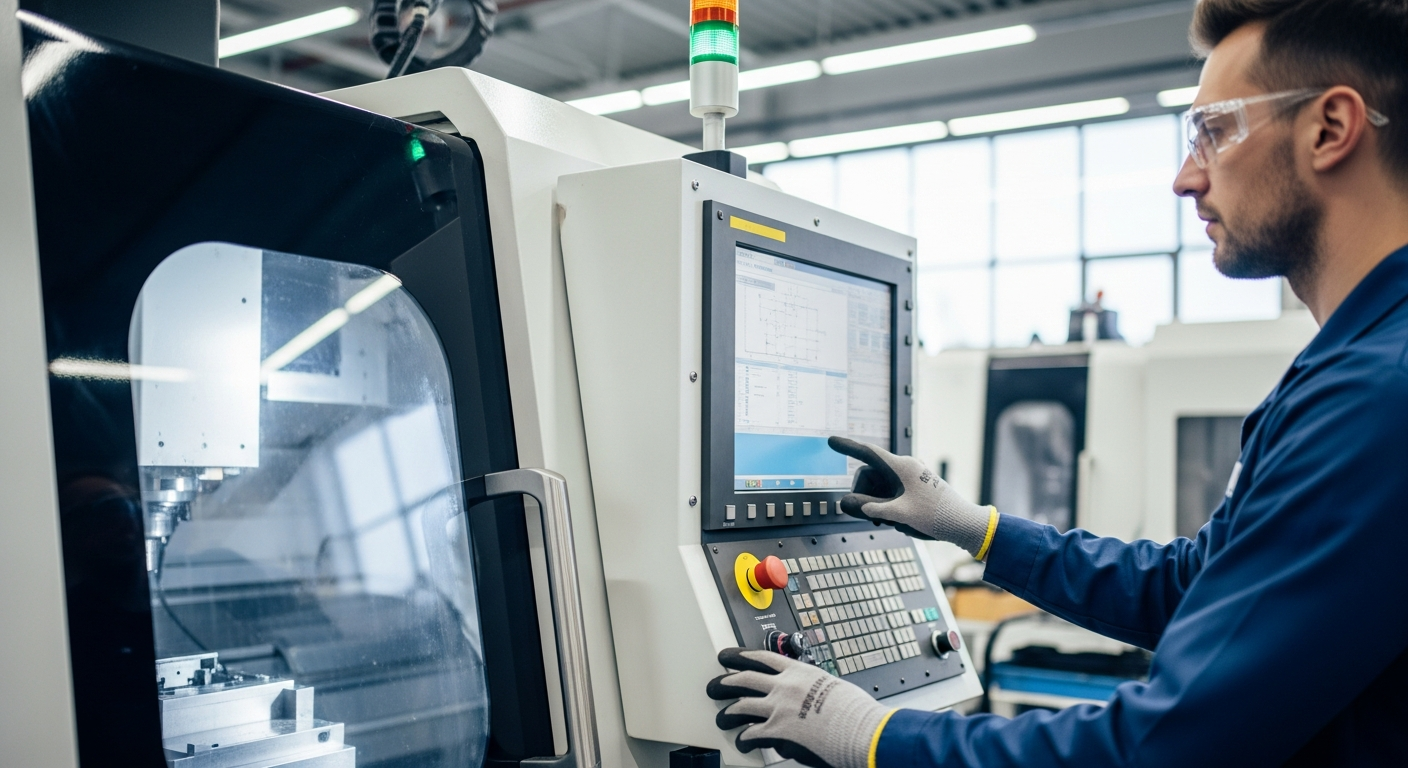
The steel and metals industry is the backbone of global infrastructure, yet inside the plant, the battle for efficiency is often fought with tools from the last century. If you are running stamping presses, stamping lines, or heavy forging equipment, you know the reality: a machine down for two hours doesn't just cost two hours of production. It creates a cascade of missed shipments, overtime labor, and expedited freight costs that erode margins.
For decades, the assumption has been that mechanical failure is the enemy. However, recent data suggests the real story is more complex. It turns out that while machines do break, the primary drivers of downtime are often operational—staffing gaps, inconsistent changeovers, and process bottlenecks that go unrecorded in manual logs.
In this article, find out:
What recent sensor data reveals about the actual causes of downtime on I-presses.
Why staffing issues may be costing you three times more downtime than mechanical breakdowns.
How to benchmark your press performance against top-quartile industry leaders.
Practical steps to move from reactive "firefighting" to data-driven stability using OEE tracking.
The Reality of Press Performance: What the Data Reveals
To understand what is really happening on the shop floor, we need to look beyond clipboard logs. The following insights are based on Guidewheel's sensors over the last few months, between September and November 2025. This analysis covers specific areas within Steel & Metals manufacturing represented in the dataset (n=2.2 million machine-minutes), primarily categorized under Industrial Machinery & Equipment.
While every facility is unique, this data provides a concrete baseline for understanding industry performance patterns.
How OEE Tracking Software Improves Press Uptime and Scrap Reduction in Steel & Metals Manufacturing (2026)

Figure 1: Weighted downtime analysis for Press machines. While market demand is the largest factor, staffing and operational issues significantly outweigh mechanical failures in controllable downtime. (Source: Guidewheel Performance Analysis, n=2.2 million machine-minutes)
Benchmarking Your Press Performance
Understanding where you stand relative to the industry is crucial for setting realistic targets. It is important to note that these benchmarks serve as reference points. Optimal performance varies by facility, material type, and product mix.
Runtime Benchmarks
In the analyzed dataset for Industrial Machinery & Equipment, the median runtime for Presses is 20.1%. This indicates substantial latent capacity in many facilities. However, the top quartile of performers achieves a runtime of 82.3% or higher (Source: Guidewheel Performance Analysis).
This wide gap suggests that while the "average" facility struggles with utilization—often due to the staffing and demand issues noted above—top performers have found ways to keep spindles turning effectively.
Changeover Efficiency: Speed vs. Consistency
One of the most revealing metrics for I-press operations is changeover time. The data shows a fascinating dichotomy:
Median Changeover Time: 10.0 minutes.
Shift-to-Shift Spread: 322%.
(Source: Guidewheel Performance Analysis)
What this means for you: The industry median of 10 minutes is actually quite competitive, especially when compared to sectors like Plastics, where changeovers often exceed an hour. However, the 322% spread indicates massive inconsistency. One crew might perform a die change in 10 minutes, while the night shift takes 40 minutes for the same task. This variance is a classic "hidden factory" loss that drags down overall OEE but is easily masked in daily averages.
Common Performance Challenges in Steel & Metals
Based on the data and industry analysis, three specific challenges tend to frequently impact press operations.
The "Staffing Gap" and Operational Blind Spots
As the data indicates, staffing issues cause long-duration downtime (143 minutes average). In many plants, if an operator calls out or is pulled to another line, the press simply stops. Without real-time visibility, management may not realize the machine is down until hours later. This is not about replacing workers; it is about maximizing the efficiency of the skilled team you have.
Inconsistent Changeover Processes
The 322% spread in changeover times points to a lack of standardization. In manual tracking environments, operators rarely record the exact minute a changeover starts and ends. They estimate. This prevents leadership from identifying which crews need training or which die sets require maintenance to fit properly.
Reactive Maintenance Cycles
While mechanical breakdowns are shorter in duration (35 minutes), their frequency disrupts flow. A reactive approach—waiting for the press to jam or a bearing to seize—guarantees unplanned downtime. Transitioning to condition-based maintenance requires data that reveals the gradual deterioration of performance before the hard stop occurs (Source: Assetwatch).
Real-Time Monitoring: The Solution to Operational Opacity
The transition from Excel spreadsheets to automated OEE tracking is not just a digital upgrade; it is a fundamental shift in how you manage the shop floor. Manual logs are lagging indicators—they tell you what happened yesterday, often with 15-20% error rates (Source: Sparkco).
Real-time monitoring addresses the specific issues identified in the performance analysis:
Combatting Staffing Impact: Remote monitoring allows a single supervisor to view the status of every press from a tablet or phone. If a machine goes idle unexpectedly (indicating a staffing or material feed issue), they can investigate the cause, preventing that 143-minute average downtime from accumulating.
Standardizing Changeovers: Automated systems track the exact duration of every setup. By visualizing this data, you can identify best practices from your fastest crews and train others to match that standard, attacking the 322% spread directly.
Detecting Micro-Stops: Automated tracking captures the short, frequent mechanical stops that manual logs miss. Identifying and fixing a recurring feeder jam that stops the line for 2 minutes, 10 times a shift, can significantly improve throughput without major capital investment.
How Guidewheel Optimizes Press Operations
Guidewheel is designed specifically to bridge the gap between legacy machinery and modern operational visibility. It operates as a "FactoryOps" platform, empowering teams to win by providing the exact data needed to solve the problems highlighted in our analysis.
Universal Compatibility for Stamping Presses
Whether you are running a brand-new servo press or a 30-year-old mechanical stamper, Guidewheel works. The system uses non-intrusive, clip-on sensors that measure the power draw of the machine. This means installation takes minutes, not months, and requires no complex integration with PLCs.
Turning Current into Intelligence
The core differentiator is not just the sensor; it is the proprietary algorithms that process the data. By analyzing the unique "heartbeat" of the machine's power consumption, Guidewheel can distinguish between a machine that is running, idling, or down.
Cellular Connectivity: The system can operate entirely via cellular connection, bypassing the need to integrate with sensitive corporate IT networks—a key advantage for security-conscious manufacturers.
FactoryOps Approach: Rather than just collecting data for management, Guidewheel provides tools for the shop floor. "Scoreboards" give operators real-time feedback on their performance, fostering a culture of ownership and immediate course correction.
Addressing the Data Findings
For Staffing Issues: Remote visibility ensures that if a machine stops, the team knows immediately, reducing reaction time.
For Maintenance: By tracking run hours and load accurately, maintenance teams can move from calendar-based schedules to usage-based schedules, preventing the mechanical failures that cause frequent interruptions.
Implementation Strategy: Moving Beyond Excel
Transforming your operation doesn't require a "big bang" overhaul. A pragmatic, stepped approach often yields the best results.
Establish a Baseline: Before setting targets, use automated monitoring to gather 2-4 weeks of unbiased data. This will reveal your true utilization (likely near the 20% industry median) and your actual downtime drivers.
Pilot High-Impact Assets: Start with the bottleneck presses where downtime costs are highest. Prove the value there before rolling out to the entire facility.
Engage the Operators: Show the team that the data is for them, not just for management. Use the data to eliminate the frustrations that make their jobs harder, like constant jams or material shortages.
Standardize and Iterate: Use the data to tackle one loss driver at a time. If changeover variance is high, focus there first. Once that stabilizes, move to reducing minor mechanical stops.
Key Takeaways
The path to higher uptime in Steel & Metals manufacturing is paved with data, not just wrench time.
Look Beyond Mechanics: Data indicates that staffing and process issues cause significantly more total downtime than mechanical breakdowns.
Target Consistency: The massive spread in changeover times represents "free" capacity that can be unlocked through standardization.
Automate Visibility: You cannot improve what you cannot see in real-time. Automated OEE tracking shifts you from reactive crisis management to proactive optimization.
Start Pragmatically: Use clip-on, universal sensors to get data flowing quickly without disrupting operations.
Start Optimizing Your Operations
Here’s what I love about Guidewheel. [In the past] We were relying on the person saying the machine was down. This is telling us the machine wasn’t running because of the power consumption. And the assumptions in production reporting match, they’re much more accurate than relying on a person to write it down.
Dave Cromeenes, Priority Plastics via Guidewheel's Customer Research
Ready to uncover the hidden capacity in your press operations? Book a demo today to see how quickly you can transform your productivity.
About the Author
Lauren Dunford is the CEO and Co-Founder of Guidewheel, a FactoryOps platform that empowers factories to reach a sustainable peak of performance. A graduate of Stanford, she is a JOURNEY Fellow and World Economic Forum Tech Pioneer. Watch her TED Talk—the future isn’t just coded, it’s built.